In short
- Festivals, concerts and outdoor sports events combine large numbers with spaces that have no kitchen.
- Permits depend on the event and the place: check with the SUAP, ASL, Questura and fire service.
- Hygiene rules don't stop outdoors: EC Regulation 852/2004 (HACCP) still applies.
- Heat and storms are the real plan B: shade, water, cover and well-planned timings.
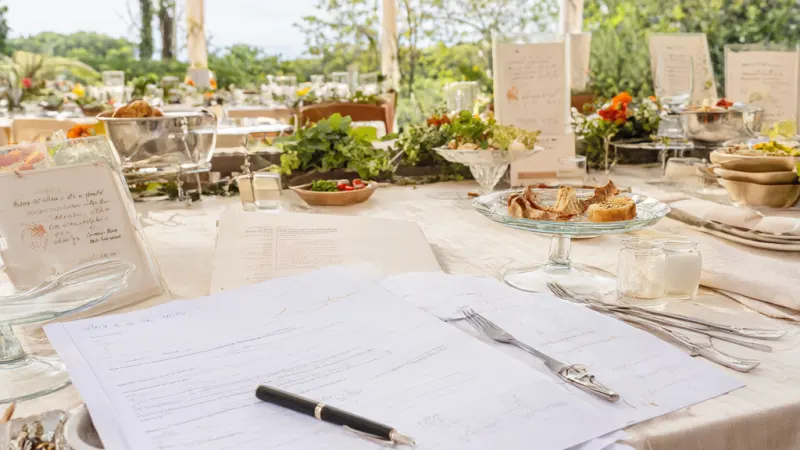
A concert in a park, a neighbourhood festival, a running race with refreshments at the finish: in Rome, outdoor events fill the spring and summer. For a caterer they are the biggest challenge, because everything a venue provides has to be brought in. This guide helps you set it up.
Three kinds of event, three approaches
| Event | Who eats | Typical format |
|---|---|---|
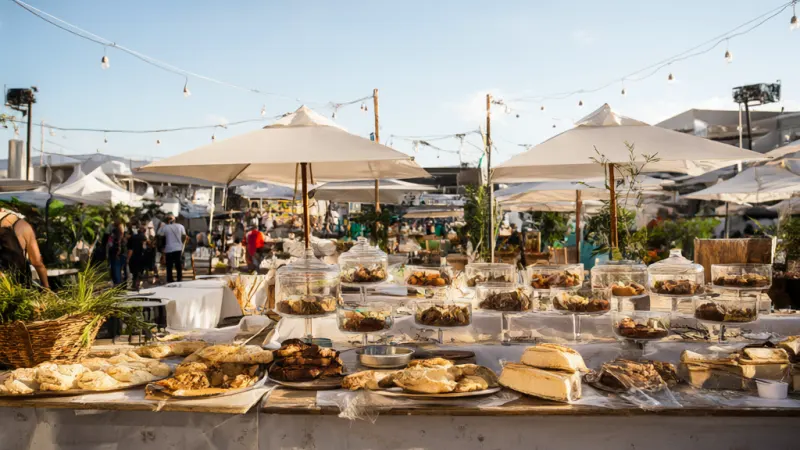
| Festivals and food fairs | Members of the public paying for what they eat | Food court with several vendors, food trucks, tills or tokens |
| Concerts | Public, artists, crew | Food points for the public, dedicated catering for backstage and crew |
| Sports events | Athletes, volunteers, guests, public | Refreshment points, lunch boxes, hospitality area for sponsors |
The same event often has two caterers: one for the public and one for crew, artists and guests. They have different rules and prices, so keep them separate in the quote too.
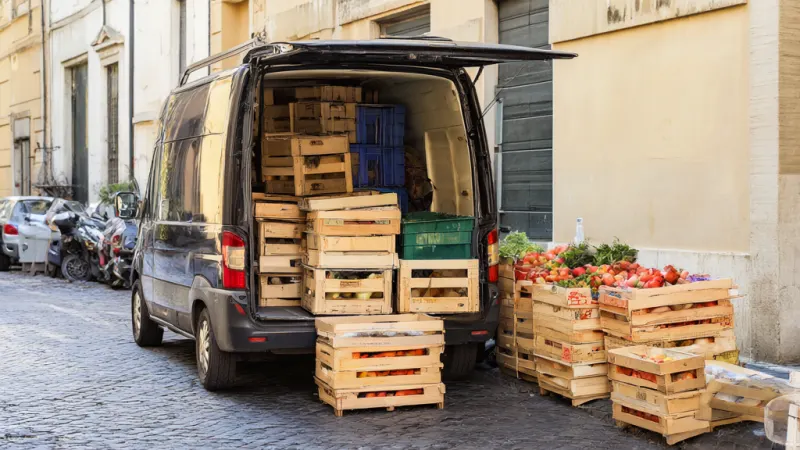
For the public, food trucks and street food stalls are the most common choice. You'll find how to choose them and what to ask in the guide to food trucks for events in Rome.
Permits: what to check
The rules change with the type of event, the place (public or private land) and the number of people. Here is the general picture: the exact procedures should always be checked with the relevant offices.
- Public land: on squares, parks and streets you need a permit to use the area, requested from the local Municipio or the office indicated by Roma Capitale, the city council.
- Temporary food service: whoever prepares and serves food at an event usually files a notice or health notification for temporary activity with the SUAP (the council's one-stop office for businesses). The ASL, the local health authority, may carry out inspections.
- Public entertainment: concerts and events open to the public may require the licence set out in the TULPS (Italy's public safety law) and the opinion of the Commissione di vigilanza, the commission that inspects public entertainment venues.
- Safety and security: the Ministry of the Interior has issued guidance on safety at public events (capacity, escape routes, first aid, checks). The organiser applies it together with the Questura (police headquarters) and the Prefettura.
- Alcohol: some events may be subject to orders restricting sales and glass. Ask the council.
The caterer must have its own paperwork in order. The organiser must have the event's. Agree who files what, and by when.
HACCP and hygiene outdoors
EC Regulation 852/2004 requires anyone working with food to apply a self-monitoring system based on HACCP principles. Outdoors, the risks increase:
- Temperature: perishable food must be kept in fridges or blast chillers, not in cool boxes left in the sun.
- Dust and insects: preparation areas must be closed or protected.
- Water: you need drinking water for washing hands and for cooking.
- Separation: raw and cooked, dirty and clean, in different zones.
- Allergens: EU Regulation 1169/2011 applies at a festival stall too. Every stall displays information on the 14 allergens.
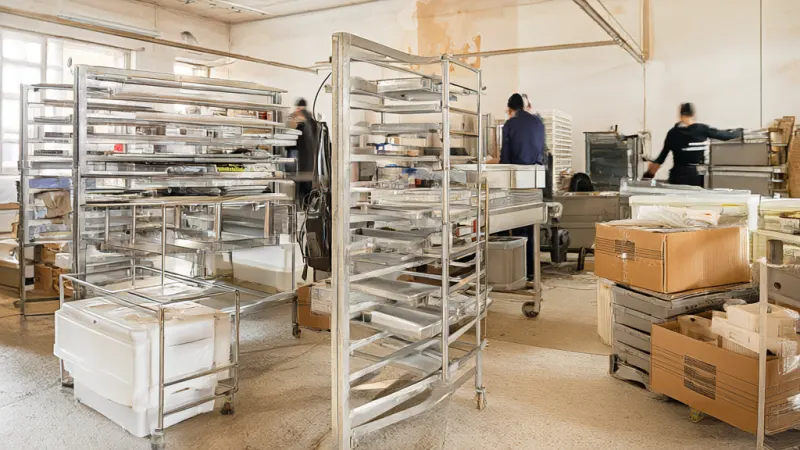
Ask the caterer to show you how they set up their work area and who is responsible for food safety checks during the event.
Temporary structures
Gazebos, marquees, platforms, stages, container kitchens: everything must be properly installed and documented.
- Whoever installs a structure normally issues a certificate of correct assembly.
- Larger structures may need a design and an inspection.
- Covers must withstand wind and rain: ask for the wind limits stated by the supplier.
- Fabrics and fittings may need a certified fire reaction class.
To choose covers and gazebos, read the guide to marquees and gazebos for events.
Heat, storms and light
Summer in Rome is long and hot, and late summer brings sudden storms. Plan B is written in advance.
Heat
- shade for guests and staff, especially in the middle of the day;
- free water at several points;
- menus that cope with the temperature: no creams or mayonnaise left out;
- shorter shifts for staff working near ovens and griddles.
Rain and wind
- cover for stalls and kitchens;
- platforms so nobody works in the mud;
- a clear rule on when service is suspended.
Evening
- stalls must be lit, for safety and hygiene.
Many of these points apply to smaller events too: you'll find more advice in the guide to catering for outdoor events in Rome.
Power, water and waste
In a field or a sports ground there is nothing: everything has to be brought in.
- Power: generators sized to the equipment, away from the public because of noise and fumes, with installations checked by a technician.
- Water: food-grade tanks or a temporary connection.
- Waste: bins for recycling and an agreed collection. With thousands of people you need staff working throughout the event.
The detail of flows, stations and consumption is in the guide on catering logistics for large numbers.
A rough timeline
Timings depend on the type of event and the offices involved: the table below is only a guide so you don't start too late.
| When | What to do |
|---|---|
| Many months before | Choose the area, estimate attendance, first contacts with caterers and suppliers |
| Months before | Check the permits needed with the council, SUAP, Questura and fire service |
| Weeks before | Final layout, emergency plan, contracts, caterer's paperwork |
| Days before | Set up structures, kitchens, generators, tanks |
| Event day | Briefing with all those in charge, check of stalls and escape routes |
Questions to ask the caterer
- Have you worked at festivals, concerts or sports events before? With how many guests?
- Which paperwork do you file with the SUAP, and which does the organiser file?
- How do you set up the preparation area outdoors? Do you have mobile fridges and blast chillers?
- Who is responsible for HACCP during the event?
- How much power and water do you need? Do you bring generators and tanks?
- How do you display allergens at each stall?
- How do you handle payments, tills or tokens for the public?
- What is your plan for extreme heat and storms?
- Who collects the waste during the event, and who takes it away at the end?
To finish
A large outdoor event is built on the right permits, a kitchen that stays safe even in the sun and a written plan B. Look at the caterers that work with large numbers on the catering for large events page and, once you have the place, date and expected attendance, request a quote from several suppliers.