

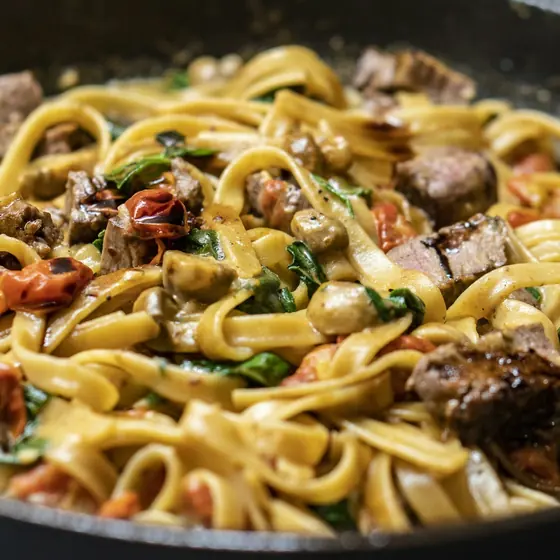
Colasanti Catering
Guidonia Montecelio
Caterer in Guidonia with its own bread, pasta and pastry kitchens, gluten-free cooking, and vegan and kosher menus.
- Weddings
- Corporate events
- Vegan
- Gluten-free
View profile
Kosher in Rome
This page brings together 7 Rome caterers that prepare kosher menus, with details checked on their official websites.
Free, no obligation · data from official websites

Ask who issues the kosher certification
Choose between a basari and a chalavi menu
Ask whether supervision is included in the price
Check that the wine and desserts are certified
Alphabetical order · data from official websites
Guidonia Montecelio
Caterer in Guidonia with its own bread, pasta and pastry kitchens, gluten-free cooking, and vegan and kosher menus.
Ponte Milvio
Roman group of Japanese restaurants with a private chef at home, sushi masterclasses and spaces for corporate events.
Marconi
Kosher caterer in the Marconi area created by chefs Alessandro and Fabio, with Shabbat meals and services for travellers.
Bufalotta
Contract catering cooperative in Bufalotta with halal and kosher lines, catering, banqueting and meeting rooms in a hotel.
San Giovannisince 1992
Kosher caterer in San Giovanni founded in 1992, devoted entirely to Jewish and Roman Jewish cuisine.
Rome
Bar catering for weddings and events, with bases in Rome and Milan, including a kosher open bar.
Pratisince 1929
Historic bar and pastry shop in Prati since 1929, with a catering service specialising in kosher cuisine and two event spaces of its own.
Kosher is not a style of cooking but a set of rules on ingredients, slaughter and preparation, which must be guaranteed by rabbinical supervision. In Rome the reference is the Rabbinical Office of the Jewish Community of Rome, which certifies kitchens and products; there are also other certifications, Italian and international. First of all, ask the caterer who certifies it and whether the certification is valid for off-site events.
Then clarify the level your guests require. Some ask for the local certification, others for stricter standards such as glatt kosher for meat or chalav Israel for dairy. Put it in your request: not every caterer can guarantee them.
Kosher catering usually costs more than traditional catering, because it uses certified ingredients, meat from ritual slaughter and kosher wines, and requires a supervisor (mashgiach) during preparation and sometimes during the event. The price also depends on the type of menu, the number of guests and the venue. Ask whether the cost of supervision is included or extra. For the other items, read the guide how much catering costs in Rome.
Kosher rules separate meat and milk. A basari (meat) meal cannot include dairy, not even in the dessert or the coffee; a chalavi (dairy) meal has no meat. Parve foods, such as fish, eggs, vegetables and fruit, are neutral. Decide with the caterer which type of menu you want: for a wedding or gala dinner, basari is usually chosen; for a brunch or coffee break, chalavi. If the event is at a non-kosher venue, ask how they bring in or kasher equipment and tableware. For events with guests from abroad, the caterer should also be able to reply in English.
Finally, remember the timing: a kosher caterer has to arrange supervision, certified purchases and a schedule that works around the Jewish holidays, so it is worth contacting them earlier than a traditional caterer.
Ask for a copy of the certification and the body that issues it, and have the level of kashrut guaranteed written into the contract. Check who the mashgiach will be, whether the wine and desserts are certified and how they handle events on Shabbat and holidays. For other religious requirements, see halal catering. Then request up to 3 quotes.
The local reference is the Rabbinical Office of the Jewish Community of Rome; there are also other Italian and international certifications. Always ask the caterer which body certifies it.
Basari means a meat meal, chalavi a meal with dairy; kosher rules do not allow them to be mixed. Parve foods, such as fish and vegetables, are neutral.
It uses certified ingredients and meat from ritual slaughter, and requires a rabbinical supervisor on site. Ask whether supervision is included in the price.
Often yes, if the caterer brings its own kitchen and tableware or kashers the equipment under supervision. It has to be checked case by case.
As a rule there is no cooking during Shabbat and the Jewish holidays. Ask the caterer how it organises an event on those days.
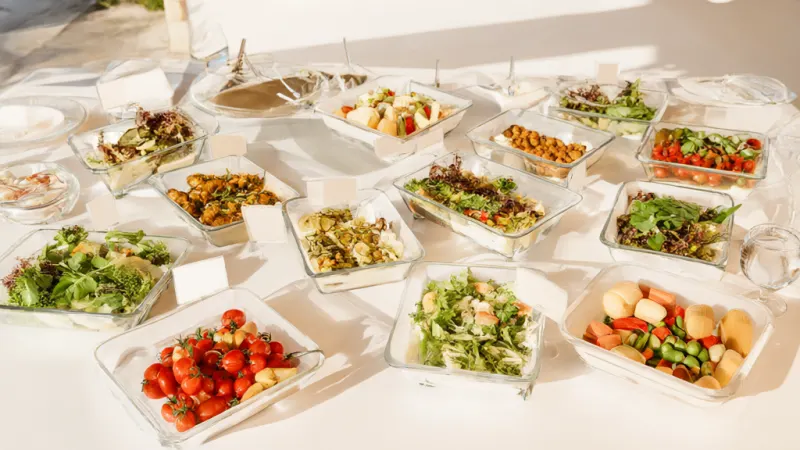
Menus
Vegan, vegetarian, gluten-free, kosher, halal and allergies: how to collect your guests' needs and what to ask the caterer for a safe event in Rome.
9 min read

Planning
Tasting, HACCP and health registration, allergens, contract, deposits, waiters and a weather plan B: everything to check before you sign.
9 min read
Free quotes
Tell us the date, guests and area in two minutes. We pass your request to suitable caterers and they get back to you.
Ask for quotes
