In short
- Many dishes, in every cuisine, are plant-based by nature: vegetables, pulses, grains, hummus, curries, caponata.
- The real risk lies in hidden ingredients: stocks, anchovies, butter, lard, gelatine.
- A vegan menu works if it has protein and flavour, not just side dishes.
- Always ask for clear labels at the buffet and a tasting of the vegan courses.
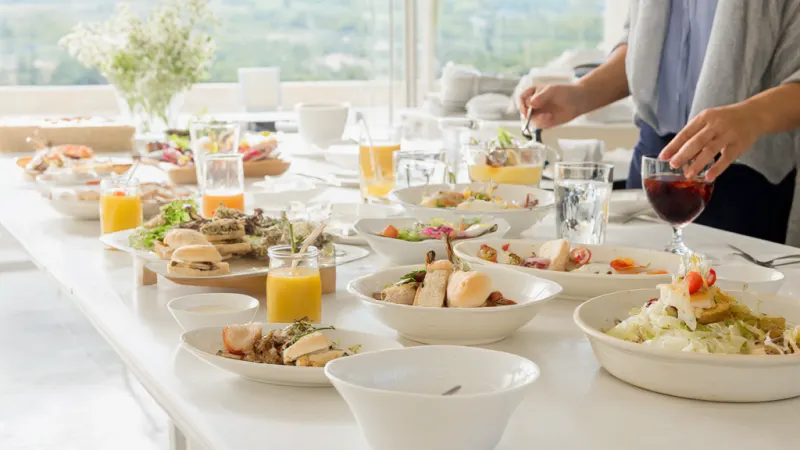
Vegan guests at an event are now the norm, not the exception. Sometimes it is one in fifty, sometimes it is the whole menu. Either way the goal is the same: a vegan dish should be thought through, not a side dish set aside at the last minute.
Vegan, vegetarian, plant-based: be clear from the start
| Diet | Excludes | May include |
|---|---|---|
| Vegetarian | Meat, fish, seafood | Milk, cheese, eggs, honey |
| Vegan | All animal products | Plant ingredients only |
Article 36 of Regulation (EU) 1169/2011 provides for the Commission to set rules on information about whether a food is suitable for vegetarians and vegans. A harmonised European legal definition is not yet in force. Private certification labels exist for products, but for an event what matters most is how the caterer works.
When you write to the caterer, use the right word and give the number of guests. "Three vegans out of 80" and "a vegan menu for everyone" are two different quotes.
Two routes: a mixed menu or fully vegan
Mixed menu. This is the most common choice. The main menu stays classic and vegan guests receive dedicated courses. It works if the vegan courses are of the same standard as the others: the same number of courses, the same care in plating.
Fully vegan menu. Chosen by couples or companies with a clear stance. It simplifies the kitchen (no separation needed) but calls for a caterer that can cook plant-based food convincingly for everyone, including those who are not vegan.
Dishes that are already plant-based
Every cuisine has dishes that are naturally free of animal ingredients, and a good caterer uses them rather than inventing substitutes. Always check the caterer's recipe, because versions vary.
- Mediterranean and Italian cuisine: grilled vegetables, caponata, panzanella, bruschetta, pasta with tomato and basil, risottos with vegetable stock.
- Middle Eastern cuisine: hummus, falafel, baba ganoush, tabbouleh.
- Asian cuisines: vegetable and pulse curries, stir-fried noodles, spring rolls, vegetable sushi (ask whether the rice vinegar and sauces are free of animal ingredients).
- Finger food: gazpacho in shot glasses, vegetable skewers, canapés with pulse spreads.
If the menu includes Roman dishes, there too you will find side dishes and humble dishes that are already plant-based:
- Carciofi alla romana, artichokes cooked with oil, garlic, wild mint and parsley. According to Turismo Roma, the Roman artichoke is in season from January to May, at its peak in March and April.
- Cicoria ripassata, chicory sautéed in a pan with garlic and chilli.
- Romanesco broccoli, in winter.
- Spring vignarola: artichokes, broad beans, peas and lettuce. Note: some recipes use guanciale (cured pork cheek).
- Puntarelle (a Roman chicory), but the classic dressing contains anchovies: ask for a version with oil, lemon and capers.
- Pasta e ceci (pasta with chickpeas), as long as there is no meat stock or pork rind.
- Concia di zucchine (fried, marinated courgettes), in summer.
- Bruschetta with tomato, or with new olive oil in autumn.
Dishes to reinvent
Many classics, Italian and Roman, are based on cheese, eggs, butter or meat. They can be reworked, but it is more honest to give them a clear name.
| Classic | Possible vegan version | What to call it |
|---|---|---|
| Lasagne | Lentil ragù, plant-based béchamel | "Plant-based lasagne" |
| Cacio e pepe | Cashew cream or nutritional yeast, pepper | "Plant-based cacio e pepe" |
| Carbonara | Pumpkin or turmeric cream, mushrooms or smoked tofu | "Plant-based carbonara" |
| Supplì | Rice in tomato sauce without mozzarella, vegetable centre | "Vegan supplì in tomato sauce" |
| Saltimbocca | Seitan or aubergine with sage | "Seitan saltimbocca" |
| Maritozzo | Dough without butter and eggs, plant-based cream | "Vegan maritozzo" |
Guests happily accept a "plant-based cacio e pepe" or "plant-based lasagne". They get annoyed if you call it cacio e pepe and it is not.
Protein and feeling full
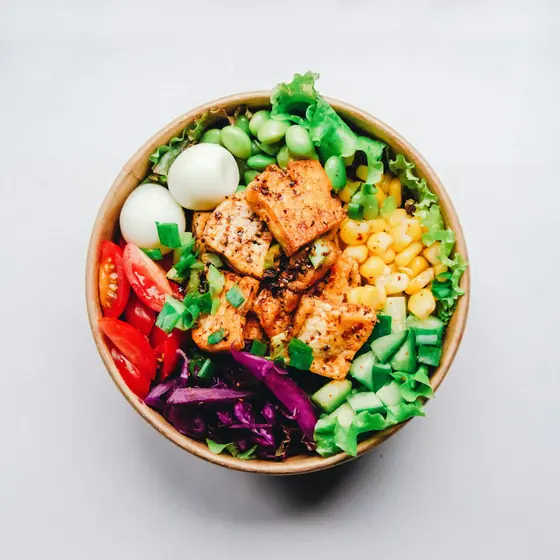
The most common mistake is a vegan dish made only of vegetables. After a long aperitivo and a dinner, a vegan guest is as hungry as anyone else. Ask for the menu to have a source of protein at every stage:
- pulses: chickpeas, broad beans, lentils, cicerchie (grass peas) from Lazio;
- grains: spelt, barley, rice in salads or in supplì;
- soy products: tofu, tempeh;
- seitan, to be labelled because it contains gluten;
- nuts, to be labelled because they are among the 14 allergens.
Hidden ingredients
These are where a "vegan" menu stops being vegan.
- Meat or fish stocks in risottos and soups
- Anchovies in sauces and dressings
- Butter in sautéed vegetables and doughs
- Lard in some pizza or bread doughs
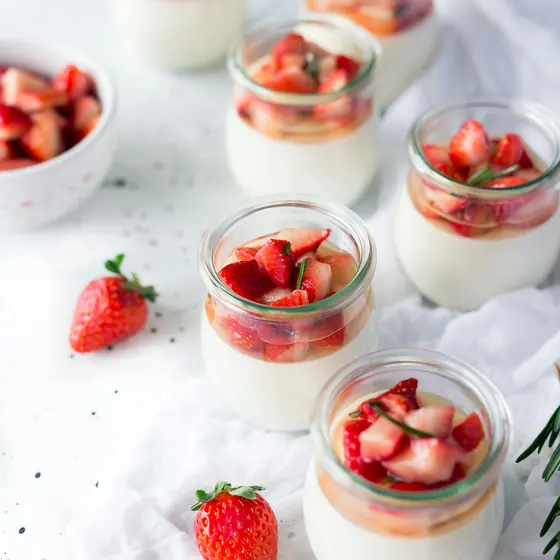
- Animal gelatine in desserts, bavarois and glazes
- Honey in desserts and sauces
- Grated cheese added out of habit just before serving
Ask the caterer to tell you, dish by dish, whether any of these ingredients is present.
Buffet, labels and cross-contamination
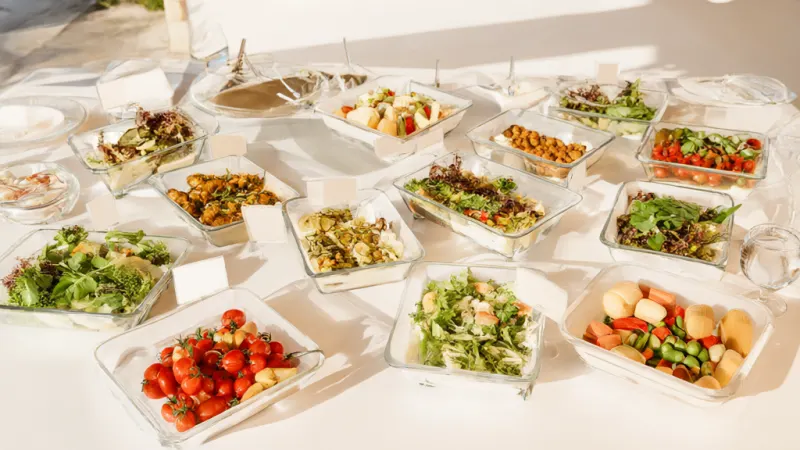
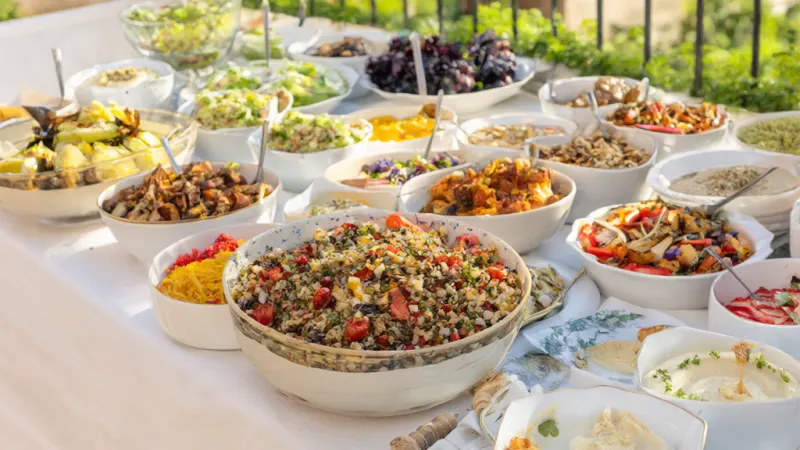
At the buffet the risk is twofold: the vegan guest does not know what is on the platter, and the serving spoon moves from one dish to another. A few simple rules:
- cards with the name of the dish and a vegan symbol;
- a separate vegan station or a dedicated tray brought to the table;
- separate utensils for each platter;
- for guests with allergies (nuts, soy, sesame), an allergen matrix as required by Reg. (EU) 1169/2011.
For allergies, coeliac disease and other diets, read the guide to catering for special diets.
A sample vegan menu, season by season
Two examples of structure, to be adapted to the format and checked with the caterer.
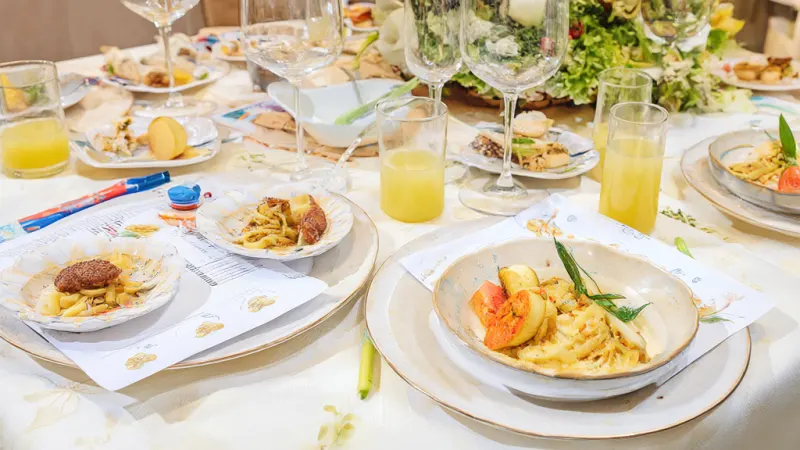
Spring, served dinner
- Starter: carciofi alla romana and a broad bean crostino
- First course: tonnarelli with artichokes, wild mint and toasted breadcrumbs
- Main course: vignarola without guanciale, with chickpea balls
- Dessert: fruit tart with an olive oil pastry
Winter, buffet
- Chickpea hummus with raw vegetables
- Pasta e ceci or pumpkin velouté in a warm cup
- Romanesco broccoli in tempura
- Lentil curry with basmati rice
- Ciambelline al vino (wine biscuits), often already free of animal ingredients
The same courses can sit within a mixed menu, served to everyone as side dishes or starters. That way the vegan guest does not eat "apart" and the caterer works with fewer recipes. A buffet with four or five well-made plant-based dishes also appeals to those who eat everything: in March, carciofi alla romana disappear from the platters quickly, even among guests who are not vegan.
Questions to ask the caterer
- Does the vegan menu have the same number of courses as the others?
- Is there protein in every course? Which?
- Do you use stocks, butter, lard, gelatine or honey in these dishes?
- How do you label vegan dishes at the buffet?
- Are the vegan courses prepared with separate utensils?
- Is the per-person price of the vegan menu different?
- Can I taste the vegan courses at the tasting?
- Do you have vegan desserts, including a cake?
Before requesting a quote
Say straight away how many vegan guests there are, or whether you want a fully vegan menu. You can compare suppliers in the vegan catering section and find ideas for seasonal dishes in the guide to the seasonal menu. When you are ready, request a quote.
Sources
- Regulation (EU) No 1169/2011, art. 36, EUR-Lex: https://eur-lex.europa.eu/legal-content/IT/TXT/?uri=CELEX:32011R1169
- Turismo Roma, "I prodotti della campagna romana: le verdure romanesche protagoniste in cucina": https://turismoroma.it/it/node/127323